Trading education
How to Manage Trading Risk: 10 Ways to Help Protect Your Capital
A practical guide to setting risk limits, planning exits, and using the DailyTrades Risk Tool to visualise a trade setup before you act.
In the stock market, the first question should not only be “How much can I make?” It should also be “What could I lose if this idea is wrong?” Prices can move unexpectedly, and even a well-researched trade may result in a loss. Risk management helps traders prepare for that possibility instead of reacting emotionally.
At DailyTrades, our platform is designed to help users explore research from listed professionals and use trading tools more thoughtfully. The DailyTrades Risk Tool can help you set up and visualise a trade’s risk-and-reward levels. It does not predict outcomes, guarantee execution prices, or decide how much risk is appropriate for you. You remain responsible for your trading decisions.
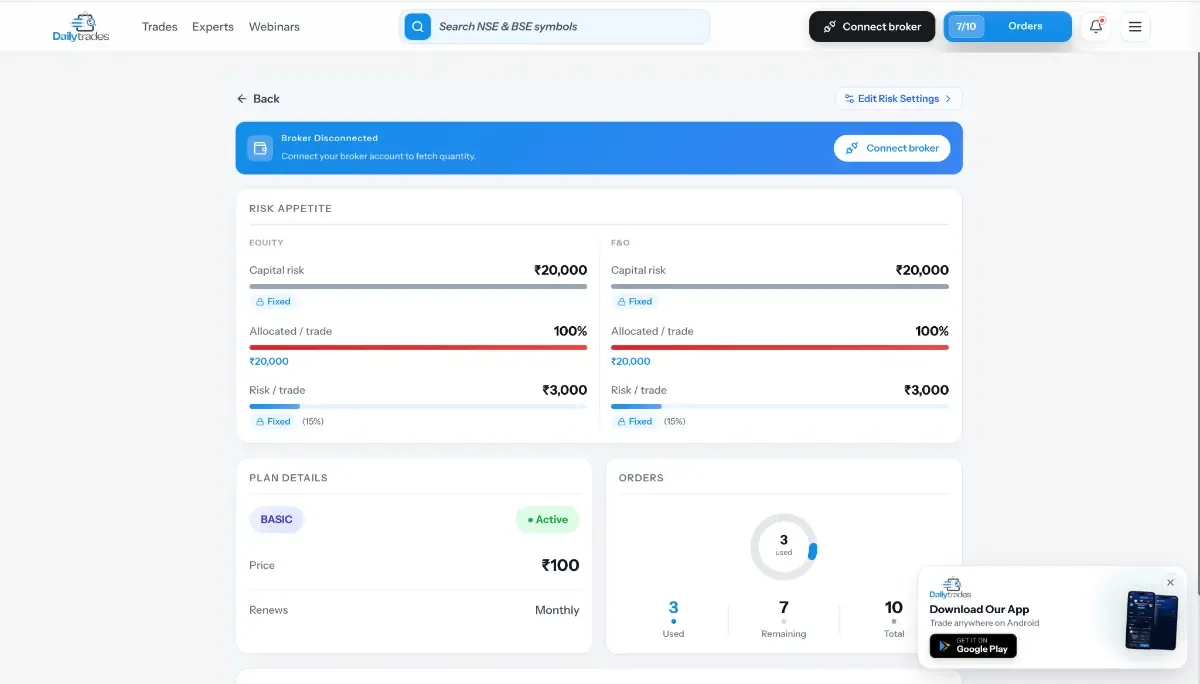
DailyTrades Risk Tool preview: review capital risk, allocation per trade, and risk limits for equity and F&O. Connect a broker account where supported to fetch quantity.
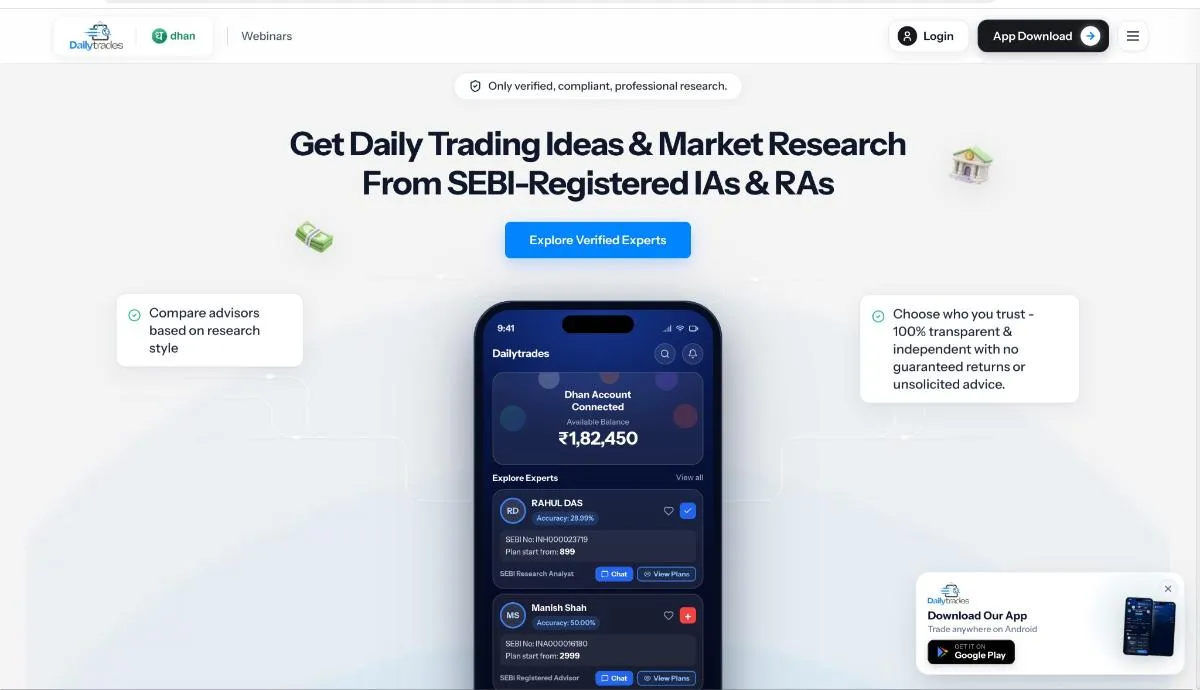
DailyTrades platform preview supplied by the company. Explore available platform features and verified professional profiles.
10 risk management tips every trader should understand
1Define your maximum planned loss first
Before entering a trade, decide how much you are prepared to risk. For example, if your trading capital is ₹1,00,000 and you set an illustrative risk limit of ₹1,000 for a trade, your position size should be based on the distance between your entry and planned stop-loss—not on how many shares you feel like buying.
Enter your planned trade levels and review the potential risk/reward setup before placing an order. The tool helps organise the setup; it does not choose a suitable risk limit or position size for you.
2Plan your exit before you enter
A stop-loss level is part of a trading plan. Decide in advance where your original trade idea would no longer be valid. Avoid moving the stop farther away simply because you do not want to book a loss.
Remember: stop orders cannot guarantee the exact exit price. Fast markets, gaps, and low liquidity can cause slippage; stop-limit orders may not execute.
3Understand the risk-to-reward ratio
If your planned risk is ₹5 per share and your target reward is ₹10 per share, the planned risk-to-reward ratio is 1:2. This is a planning measure, not a promise that the target will be reached. A strategy’s win rate, costs, and actual execution results matter too.
The DailyTrades Risk Tool can help you compare the risk and reward levels you enter, so you can assess whether a setup matches your own rules before deciding what to do.
4Avoid concentrating all your money in one place
Putting too much capital into one stock, sector, or similar set of positions can expose you to a large loss if they fall together. Diversification may reduce concentration risk, but it cannot eliminate market-wide declines.
5Be cautious with leverage and derivatives
Futures and options can magnify losses and may behave differently from cash-market investments. Option buyers can lose the premium paid; option sellers may face very large losses, depending on the position. Learn margin, expiry, liquidity, and volatility risks before trading derivatives.
6Do not trade to recover a previous loss
Revenge trading often leads to rushed decisions and oversized positions. Set a personal daily loss limit, and consider pausing when it is reached. A new trade should meet your strategy’s conditions—not your desire to recover money quickly.
7Account for charges and slippage
Brokerage, taxes, exchange charges, and slippage can reduce the result of a strategy, especially when trading frequently. Review your net results after costs rather than judging performance only by the price movement.
8Keep a trading journal
Record why you entered, your planned exit, the actual result, costs, and whether you followed your rules. Reviewing a meaningful sample of trades can reveal repeated mistakes and help you evaluate a strategy more objectively.
9Avoid overtrading
More trades do not automatically mean more profit. Wait for setups that meet your criteria and accept that sometimes the best decision is not to trade. Tools should support a defined process, not encourage unnecessary activity.
10Review drawdowns and adjust carefully
A drawdown is a decline from a previous portfolio peak. A 20% loss requires a 25% gain on the remaining capital just to return to the starting value. Monitor your performance and consider reducing exposure or pausing a strategy when it no longer behaves as expected.
How to use a risk setup tool before a trade
A risk tool is most useful when you already have a defined trading plan. A simple workflow is:
Step 1: Identify the trade idea using your own analysis or the research you are reviewing.
Step 2: Enter the planned entry, stop-loss, and target levels in the tool, where supported.
Step 3: Review the potential loss and reward shown for those inputs.
Step 4: Check whether the setup fits your own risk limits and whether costs or slippage could change the outcome.
Step 5: Make your own decision. Do not place a trade if you do not understand the risks or cannot afford the potential loss.
The exact features available may depend on the version of the DailyTrades platform. A risk setup tool is a planning aid; it is not a guarantee, a trading signal, or a substitute for independent judgement.
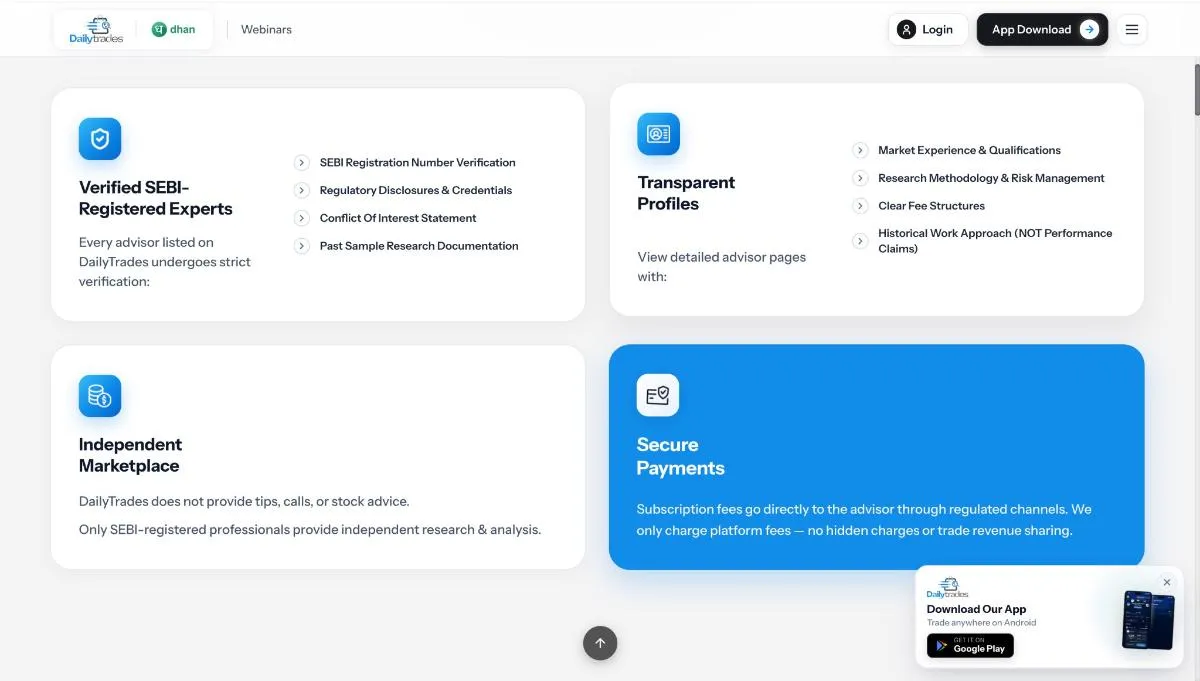
DailyTrades platform features shown in the supplied screenshot. Review professional disclosures and fee information before choosing a service.
What a risk tool can—and cannot—do
It can help: organise planned entry, stop-loss, and target levels; make a potential risk/reward setup easier to review; encourage a more structured process.
It cannot guarantee: a profitable trade, a particular execution price, prevention of every large loss, or the accuracy of a market view.
It does not replace: your own financial assessment, position-size decision, understanding of charges, or review of relevant disclosures.
Frequently asked questions
Can the DailyTrades Risk Tool prevent losses?
No tool can prevent every loss. It can help you plan and review a trade’s risk/reward levels, but actual results depend on market movements, liquidity, execution, and the decisions you make.
Does a 1:2 risk-to-reward ratio guarantee profit?
No. It describes the planned loss relative to the planned reward. Profitability also depends on win rate, actual exits, trading costs, and execution.
Should beginners use stop-losses?
Beginners should understand exit planning and the limitations of stop orders before trading. A stop-loss can help manage risk but may execute at a different price or may not execute, depending on the order type and market conditions.
Does DailyTrades decide my risk or quantity?
The risk setup tool is intended to help you review your planned setup. You decide your own risk limits and position size, and you should verify the tool’s displayed inputs and outputs before acting.
Final thoughts
You cannot control every market movement, but you can make your process more disciplined. Decide your risk in advance, plan your exits, understand leverage, track your results, and avoid emotional decisions.
Use the DailyTrades Risk Tool to review your planned risk/reward setup—not as a promise of profit or a way to eliminate risk. The aim is to make informed decisions and avoid taking risks you do not understand.