Why 90% of Retail Traders Lose Money in Indian Stock Markets: SEBI Study Analysis & Solutions
Unpacking the official SEBI study revealing that 93% of F&O traders lost ₹1.81 Lakh Crore. Explore the top 6 fatal mistakes and the exact blueprint to join the top 7% profitable cohort.

📌 Executive Key Takeaways
Staggering Statistics — SEBI's landmark study revealed that 93% of individual traders incurred net losses in equity F&O between FY22 and FY24, totaling over ₹1,81,000 Crore.
Transaction Friction Drag — On average, loss-makers spent an additional 28% of their net trading losses on transaction costs, brokerage, and STT.
Over-Leveraging & Hero-Zero — Speculating on out-of-the-money (OTM) expiry day options accounts for the highest velocity of total account blowouts.
The Profitable 7% Edge — The minority who succeed trade with strict risk limits, rule-based quantitative models, and avoid uncalculated intraday gambling.
1 The SEBI Bombshell: Data that Shook the Market
In September 2024, the Securities and Exchange Board of India (SEBI) published an updated comprehensive study on retail participation in the Equity Futures and Options (F&O) segment. The findings sent shockwaves across the financial ecosystem:
93% of individual retail traders incurred net trading losses in the F&O segment.
Over 1 Crore individual traders lost a staggering cumulative sum of ₹1,81,000 Crore in just three financial years.
The average loss per losing trader stood at approximately ₹2 Lakhs (inclusive of transaction costs).
More than 75% of loss-making traders continued to trade despite consecutive negative years, fueled by the gambler's fallacy.
2 The 6 Fatal Mistakes Behind Retail Losses

Retail losses are rarely caused by "bad luck." They are the direct consequence of repeated behavioral and structural errors:
Trading Far Out-Of-The-Money (OTM) Options: Buying ₹5 and ₹10 "cheap" options on expiry days. While these feel affordable, Theta (time decay) guarantees that over 90% of them expire at exact ₹0.
Absence of Hard Stop-Losses: Entering trades with mental stop-losses. When price violates the level, fear turns a ₹2,000 day trading loss into a ₹25,000 overnight hope position.
Over-Leveraging & Excessive Lot Sizing: Deploying 80% to 100% of total capital into a single options trade. A 30% drawdown wipes out half the portfolio.
Revenge Trading After a Loss: Trying to recover morning losses by doubling position size in the afternoon session, leading to emotional tilt.
Trading Without a Documented Edge: Relying on gut feelings, TV anchors, or anonymous tips rather than statistically verified breakout and volume systems.
Ignoring Overall Market Trend: Buying calls in a strong bearish breakdown or shorting strong institutional momentum breakouts.
3 The Hidden Friction Trap: Brokerage, STT & Taxes
Many traders don't realize that even if their gross trades break even, transaction friction destroys their capital. Taking 20 trades a day in options generates massive turnover costs:
• Over 250 trading days = ₹1,25,000 / year lost purely to friction!
• If your starting account was ₹1,00,000, you are negative -125% even with 0 trading losses.
4 Psychology of Loss: The Revenge Trading Cycle
Loss aversion is hardwired into human evolutionary biology. Neuroscience proves that the psychological pain of losing ₹10,000 is twice as intense as the joy of winning ₹10,000. When a retail trader takes a loss, the brain shifts from analytical mode to fight-or-flight mode, resulting in impulsive over-trading.
5 Blueprint: How to Transition into the Top 7%
The top 7% profitable traders follow an entirely different operating system:
Treat Trading as a Business: Maintain a detailed trading journal logging every entry, exit, and emotional state.
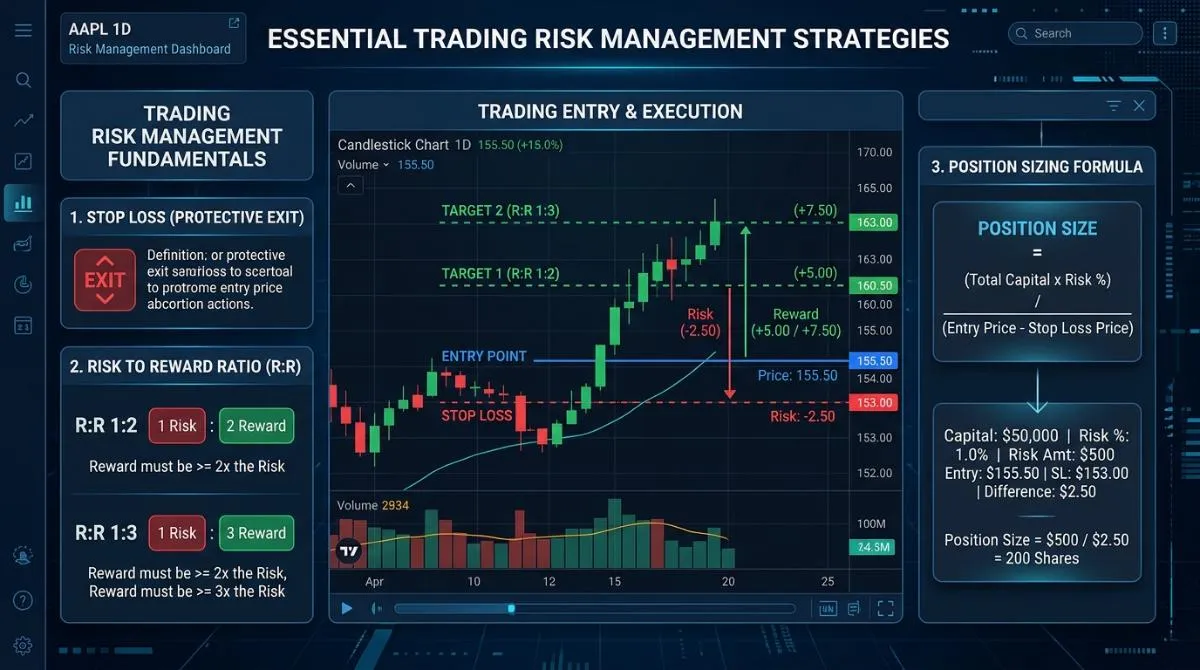
Rule of 1%: Never risk more than 1% of total equity on any individual trade setup.
Quality Over Quantity: Take a maximum of 1 to 3 high-conviction trades per day using algorithmic scanners like DailyTrades.in.
Respect the Stop Loss: A stop loss is not a defeat; it is simply the operational cost of running a trading enterprise.
Frequently Asked Questions
Yes, but only if they operate with rigorous risk management, adequate capital, realistic return expectations (2% to 4% monthly), and an objective technical or quantitative edge.
To curb extreme retail speculation, prevent household savings erosion, and ensure only participants with adequate capital and risk awareness trade high-leverage derivatives.
Beginners should always trade equity cash for the first 6 to 12 months. Equity cash teaches price action, support-resistance, and trend analysis without the punishing time decay of options.